
How Streaming TV Is Influencing Modern Media Buying
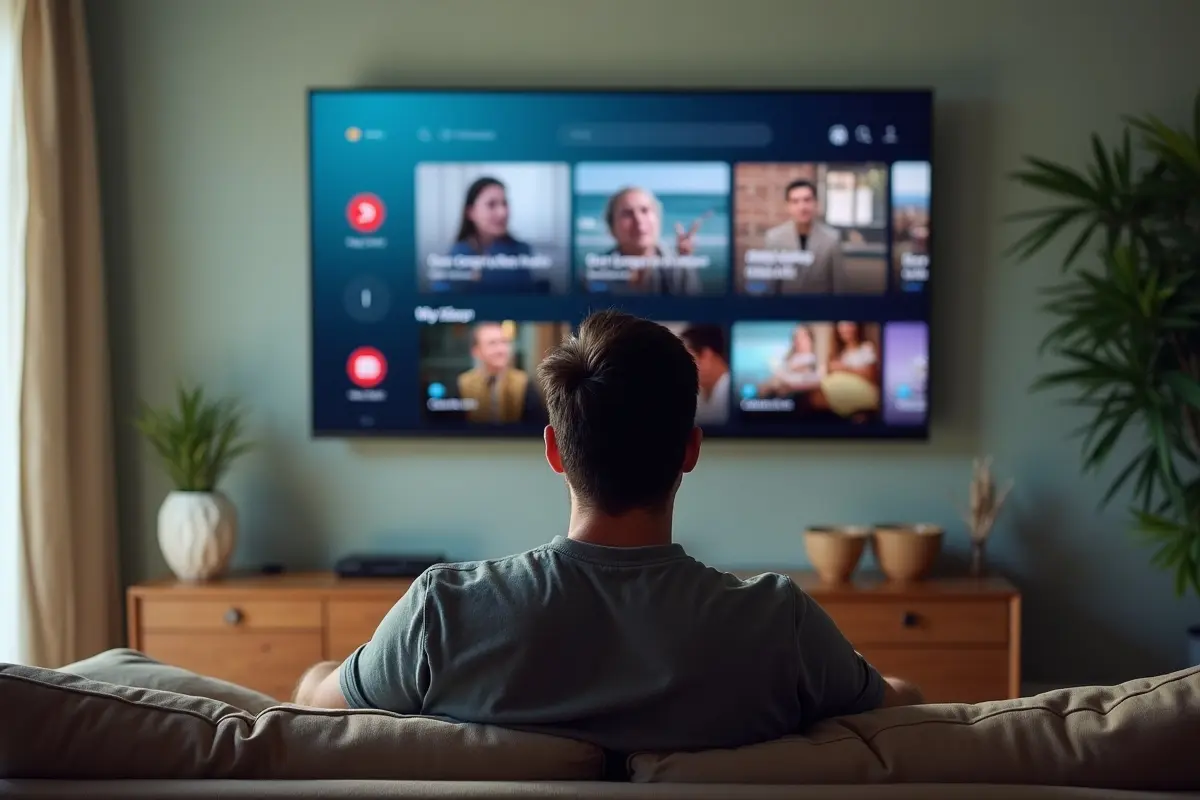
The shift from traditional television to streaming platforms has fundamentally changed the way audiences consume content, creating new opportunities and challenges for media buying. Viewers now expect on-demand access, personalized recommendations, and fewer interruptions, prompting advertisers to rethink their strategies.
Traditional TV’s broad, one-size-fits-all approach is giving way to data-driven targeting, allowing brands to reach specific demographics more efficiently. As audiences migrate online, media buyers are increasingly allocating budgets toward digital and connected TV channels, emphasizing measurable engagement and ROI.
This evolution has also influenced the way ads are delivered and evaluated. With streaming platforms, advertisers can leverage precise metrics and interactive formats, making campaigns more dynamic and adaptable. The rise of stream TV ads reflects this trend, as brands experiment with tailored messaging in environments that blend entertainment and technology. Modern media buying is no longer just about airtime; it’s about understanding viewer behavior and optimizing ad placements for maximum impact.
The Rise of Ad-Supported Streaming Services
The streaming revolution has also ushered in a new era of ad-supported viewing. As of this year, 72.4% of total TV viewing occurs on platforms that offer ad-supported content. These services have democratized access to premium programming for cost-conscious viewers, where ads are accepted as a small trade-off for low or no subscription fees.
Major players—including Netflix, Amazon, and Disney+—have introduced ad-supported tiers, expanding their audiences and creating more touchpoints for brands. This surge in ad-supported streaming has significant implications for media buying: it means increased reach, heightened frequency opportunities, and robust targeting capabilities.
For many advertisers, these platforms offer data-driven solutions that surpass traditional TV advertising in terms of measurability and customization. Brands can connect with high-intent viewers during pivotal moments, enhancing recall and conversion potential.
The consumer’s willingness to tolerate ads for access to desired content has given rise to a hybrid monetization model. This new approach opens doors for advertisers to craft compelling campaigns while also allowing streaming platforms to keep pricing competitive and fight subscriber churn.
Programmatic Advertising and Data-Driven Strategies
The convergence of streaming and advanced technology has revolutionized how ads are bought, sold, and delivered. Programmatic advertising—enabled by automation and real-time data—has become indispensable for targeting audiences across streaming platforms. Brands now leverage machine learning and behavioral insights to reach viewers by their demographics, interests, and even intent.
Precision and Personalization
Unlike traditional linear TV, which relies on broad audience segments, programmatic advertising on streaming TV enables micro-targeting. Advertisers can serve ads to households with specific buying behaviors, optimizing ad spend and minimizing waste. This approach ensures campaigns are more relevant and less intrusive, leading to higher engagement rates.
Efficient Ad Placements
Automation enables real-time bidding and dynamic ad placement within premium content, maximizing both reach and efficiency. Brands gain transparency into where their ads appear while benefiting from the agility to adjust campaigns based on performance data. The result is a higher return on investment and a more accountable ecosystem for both buyers and sellers.
Shifting Advertising Budgets
As viewership shifts to streaming, advertisers have shifted their spending accordingly. During the latest upfront negotiations, streaming ad revenues soared to $13.2 billion, up 18% year over year. These numbers represent a significant reallocation of budgets away from traditional linear TV, as brands chase reach and engagement wherever audiences migrate.
This shift is not merely reactive; it is a deliberate recalibration of strategy, informed by performance metrics and the desire for measurable results. The agility and granularity offered by programmatic and streaming ads empower advertisers to optimize campaigns in real time, quickly reallocating dollars to high-performing placements. This marks a stark contrast to the fixed schedules and broad targeting of traditional television advertising.
Challenges and Considerations
While the streaming ecosystem presents immense promise, it is not without its hurdles. Fragmentation is one of the most significant challenges: advertisers must navigate a proliferation of services, devices, and user experiences to ensure their campaigns achieve sufficient reach and frequency. This requires sophisticated planning, robust analytics, and strategic partnerships with technology vendors and media buyers.
There is also the issue of balancing ad frequency with viewer experience. Overexposure can lead to viewer fatigue, ad blindness, and even subscription cancellations or platform hopping. Striking the right equilibrium between campaign goals and user satisfaction is imperative, especially as users become more discerning about when and how they engage with ads.
Additionally, issues surrounding data privacy and measurement standards remain top of mind. As regulations evolve, advertisers and platforms must adapt to safeguard consumer information while delivering the personalized experiences that streaming makes possible. For an in-depth look at the privacy implications, see Variety.
Future Outlook
As streaming platforms continue their ascendance, the trajectory of media buying will be shaped by ongoing advances in data analytics, AI-driven targeting, and creative content integration. The next decade promises more personalized, immersive advertising experiences that benefit both brands and viewers.
Advertisers who stay ahead of the curve—embracing new tools, respecting consumer privacy, and refining their strategies—will enjoy a competitive edge. The continued convergence of entertainment and technology will further intertwine content and commerce, reshaping the way brands connect with audiences on the largest screen in the home.
Conclusion
Streaming TV has fundamentally reshaped modern media buying by combining the reach of traditional television with the precision, flexibility, and measurability of digital advertising. As audiences continue to favor ad-supported streaming platforms, advertisers are adapting strategies to leverage programmatic buying, data-driven targeting, and real-time optimization.
While challenges such as fragmentation and privacy remain, brands that approach streaming with thoughtful planning and balanced execution are well-positioned to achieve stronger engagement, clearer measurement, and more efficient use of media budgets in an increasingly streaming-first landscape.