
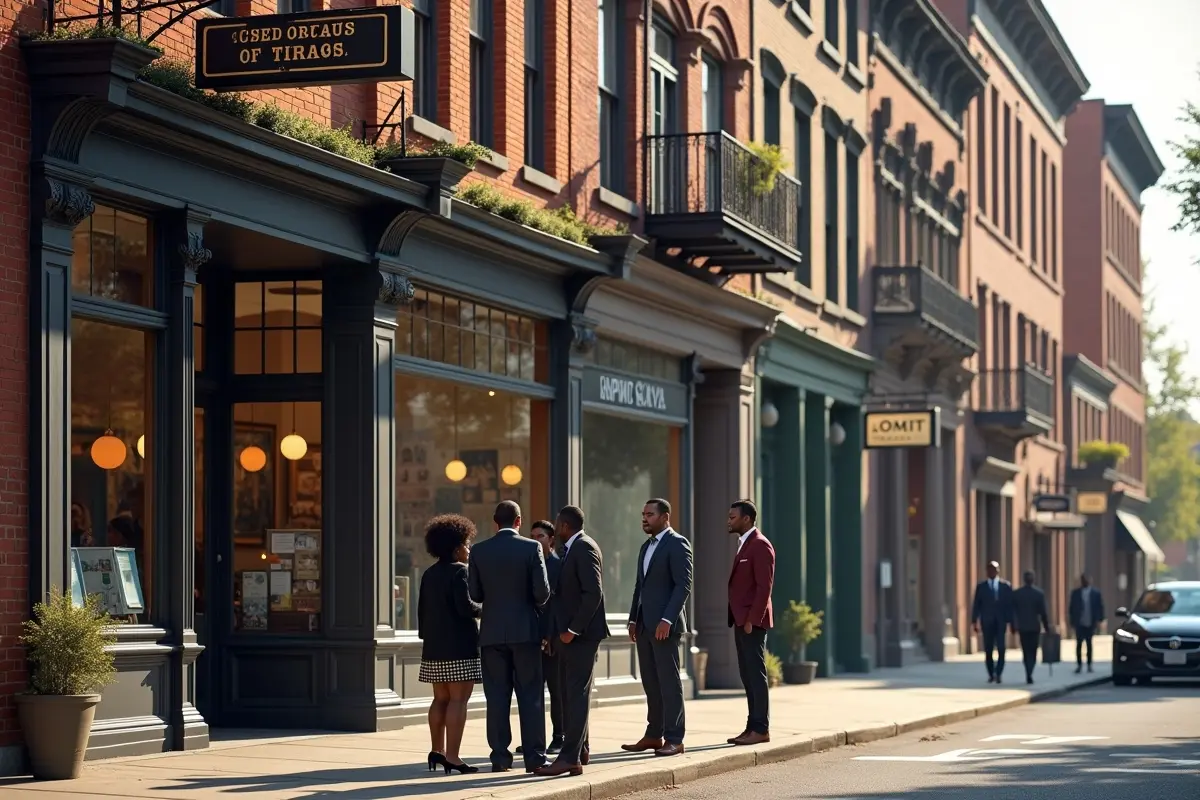
How Historic Black Business Districts Inspire Modern Entrepreneurship
Throughout the early 20th century, vibrant Black business districts thrived in cities across the United States. Tulsa’s Greenwood District, famously known as “Black Wall Street,” stood as a beacon of African American prosperity and ambition. With a wide array of Black-owned enterprises, including banks, restaurants, and theaters, these neighborhoods showcased community-driven economic empowerment amid pervasive discrimination. Other cities, such as Durham, North Carolina, saw similar growth and innovation through their own Black Wall Street initiatives, reflecting a national legacy of progress and resilience.
However, these achievements were met with formidable challenges. The 1921 Tulsa Race Massacre devastated Greenwood, destroying businesses and taking lives. Despite such tragedies, the entrepreneurial determination shown in places like Tulsa and Durham continues to inform and motivate present-day Black business leaders, demonstrating a steadfast pursuit of community and economic self-sufficiency.
Revitalizing Historic Districts
In recent years, numerous communities have undertaken efforts to reinvigorate historic Black business districts. Initiatives in cities like Columbia, Missouri, highlight how investment in infrastructure, affordable business spaces, and support networks can foster economic renewal.
Projects such as The Shops at Sharp End echo the thriving activity once seen in Greenwood by providing emerging entrepreneurs with resources and opportunities in historically significant locations, including coworking spaces that encourage collaboration and innovation among small business owners.
On the East Coast, a Black-led development project in West Philadelphia is breathing new life into the 52nd Street corridor. Through strategic investment and grassroots support, entrepreneurs are finding new pathways to establish and grow businesses, furthering the legacy of past economic pioneers while adapting to modern challenges. These revitalization efforts emphasize inclusivity, sustainability, and the value of honoring local history as a source of economic growth.
Lessons from the Past
Historic Black business districts offer enduring lessons. They demonstrate the power of collective economics: when businesses join forces and support each other, their resilience against systemic challenges is amplified.
Shared resources, mentorship, and local investment engender long-term growth and sustainability, enabling businesses to serve their communities more effectively. Today, these principles are foundational to many Black entrepreneurial networks and cooperatives, emphasizing uplifting entire neighborhoods rather than individual success alone.
Modern Black Wall Street Movements
The spirit and vision of historic Black districts live on through contemporary movements, such as the modern Black Wall Street initiative launched in 2015. Emphasizing digital connectivity and collaboration, this movement encourages Black business owners across the country to pool resources, share best practices, and build sustainable ventures. Digital platforms have made it easier for entrepreneurs to reach new markets and establish mutually beneficial partnerships, reiterating the historical ideals of unity and perseverance.
Challenges and Opportunities
Although today’s Black entrepreneurs continue to make significant strides, barriers remain. Securing capital, navigating regulatory frameworks, and overcoming systemic hurdles are persistent challenges. The rise of business support centers and targeted grants has begun to address these issues by offering coaching, workshops, and affordable working space, helping to level the playing field and reinforce economic inclusion.
The Role of Community Support
Community support is essential to the longevity and success of Black-owned businesses. Recent progress in cities like Phoenix, Arizona, where nearly one-third of new downtown businesses are Black-owned, highlights the results of systemic investment in inclusive economic development. Local leaders, nonprofits, and grassroots organizations provide mentorship, marketing support, and training, strengthening the social infrastructure for emerging entrepreneurs and reinforcing the neighborhood’s economic health.
Education and Mentorship
Educational institutions, especially Historically Black Colleges and Universities (HBCUs), play an important role in shaping the next generation of business leaders. By offering specialized programs, mentorship opportunities, and entrepreneurial training, HBCUs prepare students to carry forward the legacy of the Black business district. Students not only gain practical skills but also learn the historical context that informs contemporary economic strategies, ensuring the continuity of tradition and the evolution of innovation.
Final Thoughts
The legacy of historic Black business districts is not just a story of past achievement but a blueprint for ongoing progress. Today’s entrepreneurs, by drawing on lessons from the past and supporting one another through collaboration, education, and community investment, are forging a future where opportunity is both inclusive and sustainable. The enduring principles of collective economics, mentorship, and community support remain essential to building thriving, resilient businesses that uplift entire communities.