
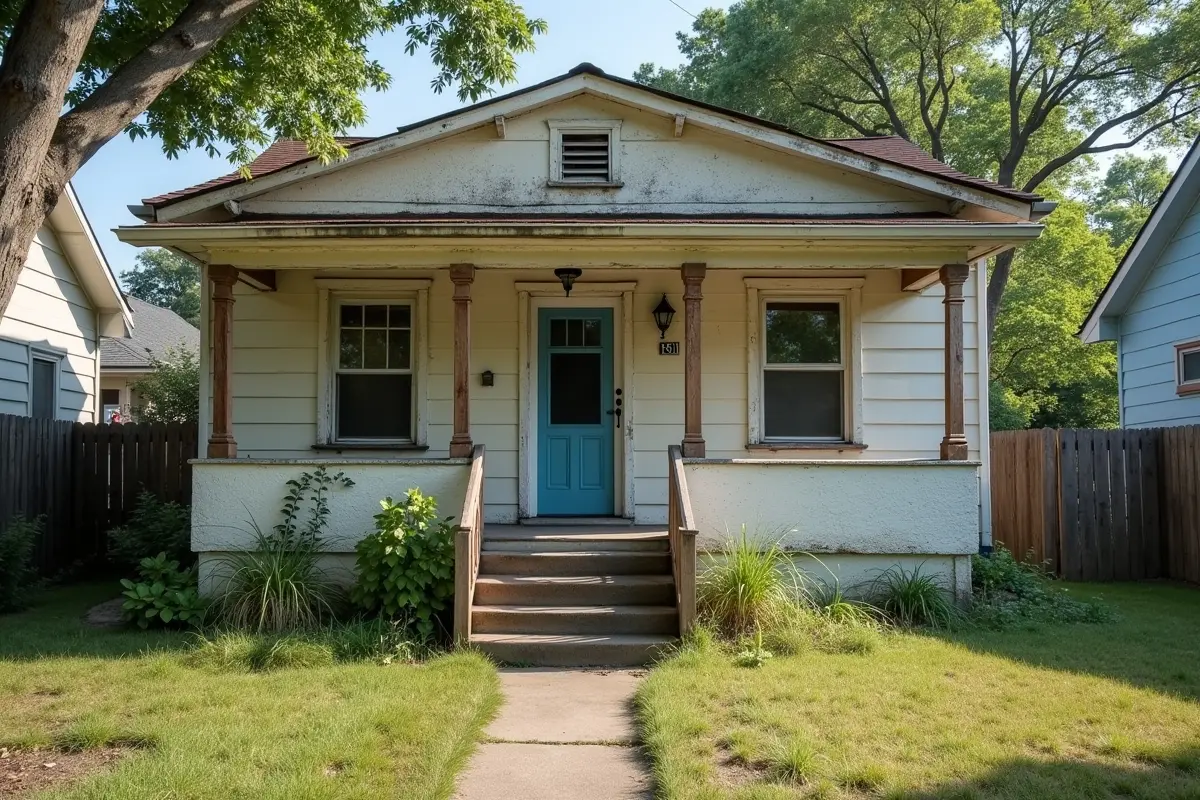
How to Sell Your House As-Is Quickly
For many homeowners, selling a house “as-is” offers a quicker and more convenient pathway to a property transaction without the pressure of repairs and upgrades. Yet, approaching an as-is sale requires a thoughtful strategy to ensure you still maximize your home’s potential value.
Whether you’re facing costly repair issues, relocating for work, or managing an inherited property, understanding how to navigate the as-is selling process is essential. For example, sellers in Texas areas like Farmers Branch may find specialized options through firms such as https://www.southernhillshomebuyers.com/we-buy-houses-farmers-branch-tx/, making the transition straightforward and efficient.
Embracing an as-is transaction doesn’t mean settling for less. Instead, it enables you to target buyers who recognize the value in renovation opportunities or investors seeking to expand their portfolios. Knowing your audience, pricing correctly, and marketing smartly can mean the difference between a property that sits on the market for months and one that sells quickly—even in a competitive real estate market.
To maximize results from an as-is sale, modern homeowners benefit from learning practical, step-by-step approaches to achieve their goals. This guide explains the pros and cons, legal essentials, and negotiation tips that matter most to sellers right now.
If you want to broaden your knowledge about as-is home selling services or to understand additional local market considerations, you can also visit https://www.southernhillshomebuyers.com/ for more details.
Understanding As-Is Sales
Selling your home “as-is” involves offering it to buyers in its current condition, without requiring any upfront improvements or repairs. This method is attractive to those who want to avoid investing more time or money into an older property or who need to relocate quickly. Often, these homes are sought after by investors, flippers, or DIY buyers seeking value in renovations. However, an as-is sale does require a transparent approach, as full disclosure of known issues is still mandatory in most regions.
Pros and Cons of Selling As-Is
While selling as-is simplifies some aspects of the home sale process, it’s essential to weigh the benefits and drawbacks before making a decision.
Pros:
- Faster Closings: Buyers seeking investment deals or those willing to undertake renovations themselves often move forward more quickly, eliminating the need for repair contingencies.
- Reduced Upfront Costs: Sellers bypass renovation expenses and avoid the logistical demands of home improvement projects.
- Less Hassle: Removing the stress of upgrades or managing contractor schedules brings peace of mind, especially for out-of-town or busy sellers.
Cons:
- Lower Selling Price: Homes that require work typically sell below market value, as buyers factor in repair costs when making their offers.
- Limited Buyer Interest: The audience for as-is properties is generally smaller, with a focus on investors or those seeking fixer-uppers.
- Repair-Related Financing Barriers: Many traditional mortgage lenders do not finance homes with significant issues, which reduces options for prospective buyers, according to reports from Bankrate.
Enhancing Appeal Without Major Renovations
Selling as-is doesn’t mean neglecting presentation. Small, cost-effective touches can increase the attraction of your home and speed up the sales process:
- Curb Appeal: Keep lawns tidy, trim bushes, and lay fresh mulch. Even simple landscaping upgrades have been proven to increase home values by up to 7% compared to homes with neglected exteriors, according to HGTV.
- Decluttering: Clear out excess belongings and personal items, allowing buyers to envision their own lives in your house.
- Deep Cleaning: Even if repairs are needed, a sparkling-clean space appears well-maintained and inviting.
Pricing Strategies for As-Is Properties
Accurate pricing is crucial for selling as-is properties quickly and at a fair price. Start with a comparative market analysis (CMA) of homes sold in similar condition nearby—factor in the estimated costs of deferred maintenance or repairs. Setting the price slightly below market value can attract competitive offers from buyers who understand the opportunity and are willing to invest in the necessary work.
Legal Requirements and Disclosures
Honesty is essential when listing as-is properties. State and local laws often require you to disclose any known issues—such as plumbing leaks, foundation problems, or roof damage—even if you’re selling as-is. Work with a licensed agent or real estate attorney to ensure your disclosures meet legal expectations. Transparent communication at this stage reduces the risk of disputes or lawsuits after the sale.
Marketing Your As-Is Home Effectively
Reaching the right buyers is crucial for a successful as-is sale. Utilize high-quality photography and concise, honest listing descriptions that highlight your home’s best features, as well as its potential. Emphasize unique selling points—such as a spacious lot, prime location, or desirable school district—that remain attractive despite any current flaws. Promote your home on major online real estate platforms, social media, and local real estate networks.
Negotiating with Potential Buyers
Even with an as-is sale, negotiations are expected to increase visibility and attract potential buyers. Buyers may ask for concessions or a price reduction after their inspection. Remain flexible—consider offering a home warranty or covering some closing costs to sweeten the deal, rather than lowering the price dramatically. The goal is a swift and trouble-free sale, where both parties walk away satisfied with the outcome.
Closing the Sale Smoothly
After agreement on the terms, ensure you work closely with your agent or a real estate attorney. Keep all documentation organized and respond promptly to requests from your buyer or their representative. Remaining communicative and diligent during the closing process helps avoid last-minute surprises and keeps your transaction on track for a timely settlement.
Selling your property as-is can be a rewarding financial solution, as it minimizes stress and uncertainty. With the correct information and support, you can efficiently move on to your next chapter.