
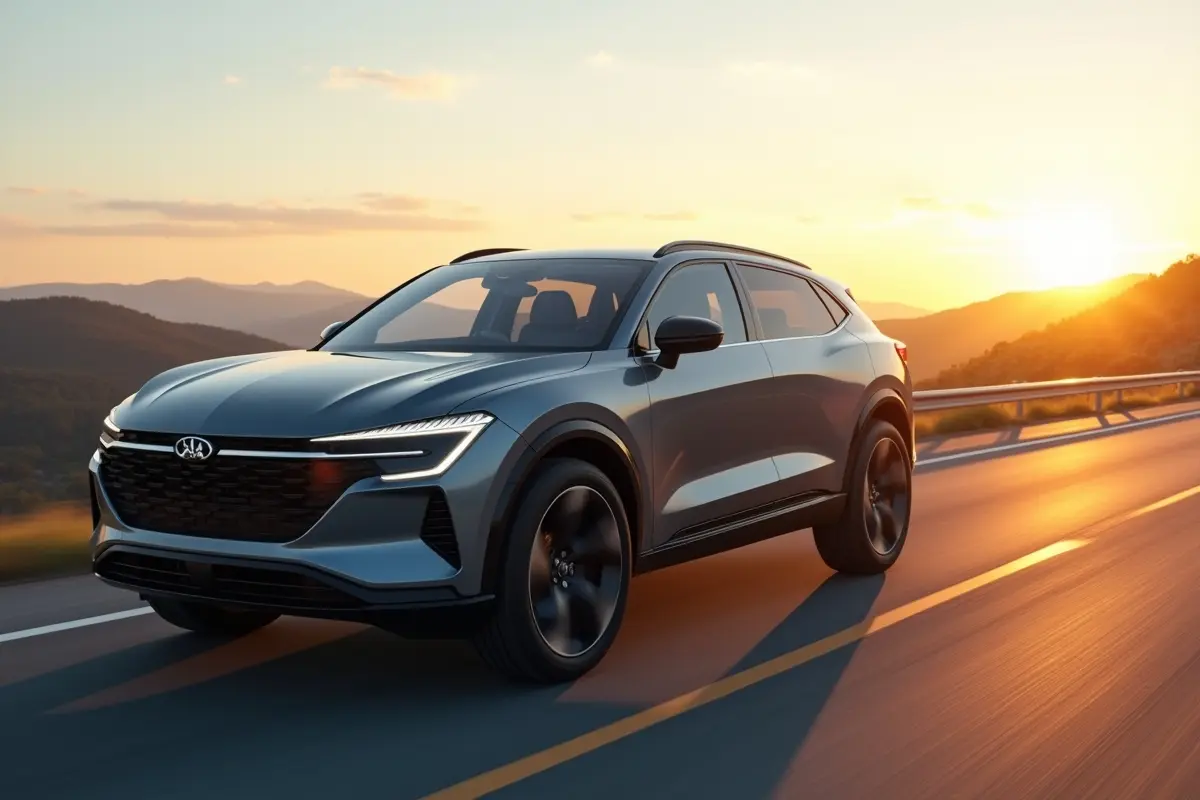
How Modern SUVs Are Redefining Everyday Travel
Modern SUVs are no longer just vehicles for rugged terrain or weekend adventures; they have evolved into versatile companions for everyday life. With advances in engineering, safety, and technology, today’s SUVs offer a balance of comfort, efficiency, and practicality that suits a wide range of lifestyles. From commuting to running errands or taking family trips, these vehicles provide the space and adaptability many drivers need without sacrificing performance or handling.
In addition to their versatility, modern SUVs are incorporating innovative features that enhance the driving experience, such as advanced driver-assist systems, improved fuel efficiency, and smart infotainment options. Their design focuses not only on functionality but also on convenience, making day-to-day travel more enjoyable.
For those interested in understanding these advancements in more detail, you can learn more about the features and benefits shaping how SUVs are influencing modern mobility. These developments are gradually redefining what drivers expect from a daily-use vehicle.
Blending Rugged Design with Modern Aesthetics
One of the most distinguishing characteristics of the new generation of SUVs is their ability to merge classic rugged styling with modern visual sophistication. Well-known models, such as the Mercedes-Benz G-Class and Land Rover Defender, demonstrate how bold, boxy exteriors can be enhanced with contemporary details. These vehicles convey both toughness and elegance, attracting enthusiasts who value resilience and style in their choice of transportation.
At the same time, these designs are highly functional. Elements like high ground clearance, reinforced undercarriages, and robust grilles connect with the heritage of off-road driving, giving owners confidence on challenging surfaces. Sleek finishes, LED lighting, and aerodynamic touches bring these celebrated designs into the modern era, ensuring SUVs never compromise on sophistication while still delivering rugged capability.
Advanced Connectivity and Infotainment Systems
Today’s SUVs come equipped with a wide range of digital features that enable seamless connectivity and entertainment for drivers and passengers. Integration with smartphones via platforms like Apple CarPlay and Android Auto bridges the gap between personal devices and in-car technology, offering access to navigation, messaging, calling, and streaming, all without breaking focus from the road. Many models further elevate the experience with advanced voice recognition and intuitive high-resolution touchscreens, dramatically simplifying in-car controls.
Passenger convenience is also enhanced by onboard Wi-Fi hotspots, which provide reliable internet access during long drives or commutes. More recently, features such as wireless charging, cloud-based navigation, and even gesture control have begun appearing in mainstream models. Automakers are partnering with major tech companies to deliver software updates and new features remotely, making it easier to keep vehicles up to date and safe.
Environmental Considerations and Fuel Efficiency
As SUVs have gained popularity, their environmental impact has come under increased scrutiny. The larger size and powerful engines typical of many traditional SUVs were once associated with high fuel consumption and emissions. Today, the industry is working to address those concerns through investment in hybrid, plug-in hybrid, and fully electric SUV models. Major manufacturers now prioritize efficiency, with updated powertrains, lightweight materials, and aerodynamic improvements featured across their lineups.
Electrification is advancing rapidly, demonstrating that electric SUVs can deliver both performance and practicality. The expansion of public charging infrastructure is making electric SUVs a viable option for families and commuters who wish to reduce their carbon footprint without compromising on capability. These sustainability trends are expected to persist, driven by regulatory pressures and consumer demand for more environmentally friendly choices.
Enhanced Safety Features
Safety technologies have made significant strides in recent SUV offerings. Most current models include an array of driver assistance features designed to keep occupants safe and anticipate road hazards. Adaptive cruise control autonomously manages vehicle speed across various traffic conditions, while lane-keeping assist helps ensure drivers remain safely centered in their lane. Automatic emergency braking can detect unexpected obstacles and intervene if the driver fails to respond quickly enough.
These advancements are often bundled into comprehensive safety suites, positioning today’s SUVs at the forefront of vehicle safety technology. Features such as blind-spot monitoring, rear cross-traffic alert, and parking sensors add another layer of security, making urban driving and parking more convenient and much safer. The National Highway Traffic Safety Administration continues to provide updated safety ratings and information, helping buyers make informed decisions about their next vehicle.
Versatility and Practicality
Versatility remains one of the primary attractions of modern SUVs. Manufacturers are keenly aware that flexibility is paramount to attracting a wide audience, which is why current models feature configurable interiors with fold-flat rear seats, adjustable cargo floors, and numerous storage solutions. This adaptability allows SUVs to accommodate everything from daily errands and school runs to weekend adventures and outdoor activities.
The high seating position typical of SUVs provides a better view of the road, while all-wheel or four-wheel drive ensures safer travel in inclement weather. With innovations in ride quality and noise reduction, drivers no longer have to choose between comfort and utility. This multi-purpose design ethos ensures that modern SUVs can seamlessly transition between work and leisure activities, underscoring their continued popularity among drivers from all walks of life.
Conclusion
The continuous evolution of SUVs illustrates how automakers are listening to drivers and responding with vehicles that balance style, safety, technology, and sustainability. As innovation in materials, powertrains, and electronics continues, SUVs are positioned to remain a fixture on roads for years to come. These vehicles serve as a testament to the adaptability and forward-thinking mindset of the modern automotive industry, delivering solutions that benefit daily travel and long-term ownership alike.