
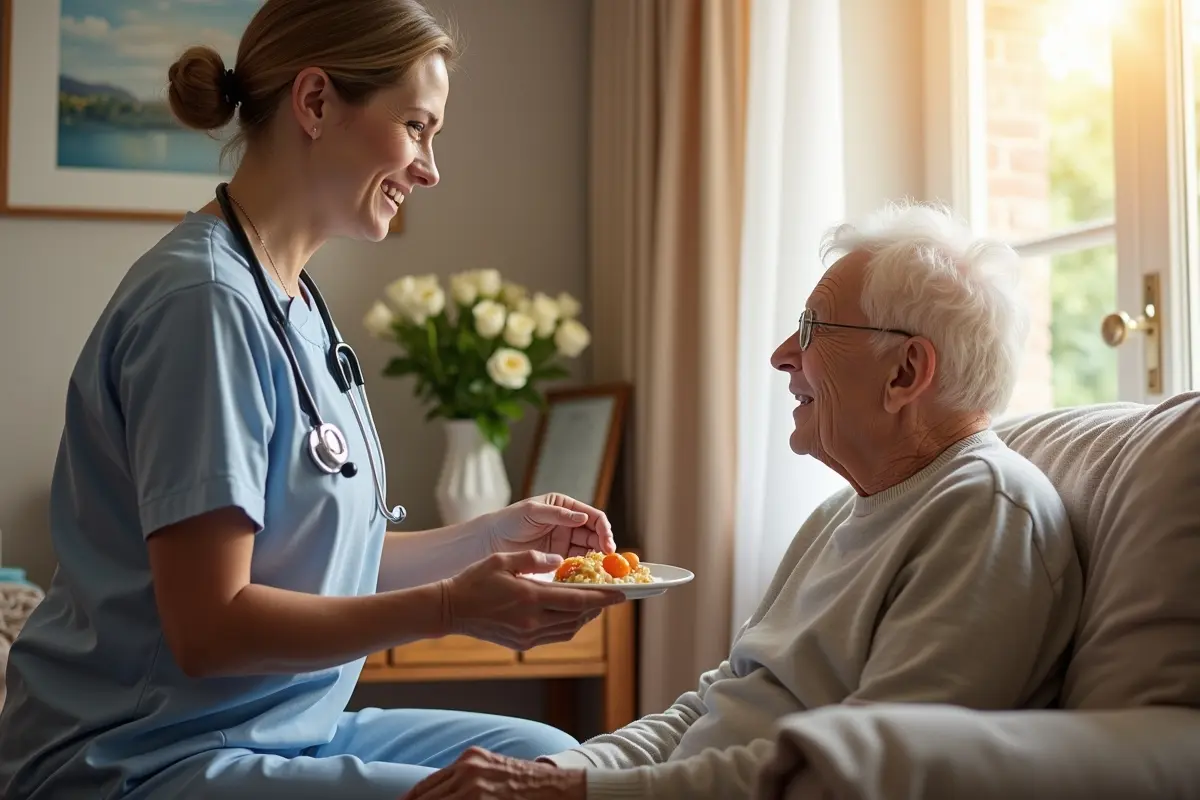
The Rewards and Responsibilities of Becoming a Caregiver
Becoming a caregiver is a significant commitment that extends far beyond basic assistance. In many cases, caregivers serve as the primary source of both emotional and practical support for individuals who are coping with the challenges of aging, chronic illnesses, or disabilities. Their duties range from assisting with daily activities, such as bathing, dressing, and meal preparation, to more complex tasks, including managing medications and coordinating medical appointments.
Depending on the situation, a caregiver may also provide transportation for errands, help with mobility, and even offer financial oversight or manage paperwork. These diverse responsibilities continue to evolve as the care recipient’s needs change over time.
As the demands of caregiving grow in many communities, opportunities continue to expand for supportive roles. To learn more about local openings and the impact you can make, visit https://beaconspecialized.org/ohio/caregiver-jobs-xenia-oh/.
Beyond practical tasks, caregivers are often required to demonstrate patience, adaptability, and empathy in their day-to-day work. They act as companions and confidants, providing not only physical support but also emotional reassurance and encouragement to those in their care. Strong communication skills are vital as caregivers frequently serve as liaisons between healthcare professionals, care recipients, and other family members.
Many caregivers also advocate for their loved ones, addressing challenges such as navigating health insurance, dealing with government programs, or finding suitable community resources. This essential work places caregivers at the center of their loved ones’ support networks, often serving as the key factor in their care recipients’ well-being and ability to age in place independently.
On average, caregivers dedicate more than 24 hours weekly to caregiving activities, highlighting the need for proper preparation and support in this vital role.
The Emotional Rewards of Caregiving
The emotional impact of caregiving runs deep and often brings unexpected joy. For many caregivers, taking on this role becomes a transformative experience filled with moments of connection, compassion, and personal growth. Caregivers often mention a sense of purpose and a stronger personal bond with their loved ones as the most rewarding parts of their role.
Working closely with someone who relies on you can build strong bonds, as every shared smile or gesture of gratitude reminds the caregiver of their efforts’ importance. Moments of shared laughter, gratitude, and mutual respect can create a lasting connection between caregiver and care receiver.
This journey isn’t without challenges—stress and emotional fatigue are common—but many caregivers report feeling more resilient, patient, and grateful for the time spent together. The rewards can include seeing a loved one thrive, recovering from an illness, or simply enjoying a peaceful afternoon together.
Caregiving fosters mindfulness and presence, enabling both the caregiver and recipient to appreciate the quality of each day. These positive emotional effects can create a lasting sense of fulfillment that lasts well beyond the caregiving years.
Developing Valuable Skills
Caregiving is a valuable learning experience that uncovers new strengths and hones essential skills applicable beyond the caregiving environment. It offers an opportunity to provide meaningful support while developing transferable skills, such as time management, multitasking, and critical thinking.
Caregivers manage complex schedules, medication regimens, and health changes, all while maintaining composure and compassion. They also navigate healthcare systems, advocate for loved ones, and communicate effectively with healthcare teams, enhancing their leadership, conflict resolution, and teamwork abilities.
These skills often lead former caregivers to successful careers in healthcare, social work, or counseling, and also make them better leaders in any field.
Physical and Cognitive Benefits
Caregiving provides health advantages by encouraging physical activity, mental agility, and problem-solving through activities like lifting, transferring, and personal care. Tracking routines and health enhances mental clarity.
Research indicates that caregivers tend to have slower cognitive decline and improved physical well-being when they manage stress and prevent burnout. Staying organized in routines and emergencies keeps the mind sharp, illustrating the concept of “caregiver gain” — the physical and emotional benefits derived from an active, caring lifestyle.
Consistent movement, structured routines, and social engagement promote long-term health, emphasizing the need for self-care and boundaries to ensure caregiver sustainability.
Balancing Responsibilities and Self-Care
The rewards of caregiving can be fully realized only when caregivers take the time to notice their own needs along the way. Many caregivers find themselves so engrossed in supporting their loved one that they overlook their own limits, leading to prolonged stress.
Prolonged stress and overextension can quickly lead to caregiver fatigue or burnout, affecting both the individual’s health and the quality of care delivered. It is essential to recognize that self-care is not indulgent, but rather a vital foundation for effective caregiving and long-term well-being.
Building in daily self-care routines—whether it’s a short walk, a hobby, or simply asking for help when needed—is essential for staying balanced. Prevention is key, as recovering from burnout is often more complicated than taking regular steps to avoid it.
Support Systems and Resources
No caregiver is meant to navigate this path alone. Support networks—whether formal or informal—play a crucial role in sustaining caregivers over the long term. Family, friends, and neighbors can offer emotional support, share tasks, and provide a listening ear during difficult days. Many organizations and community agencies offer resources, such as respite care, counseling services, and support groups, that are specifically tailored for caregivers.
These services not only relieve stress but also provide guidance and education for challenging situations, making the journey more manageable and enriching. Connecting with others who share similar experiences can decrease feelings of isolation and provide practical advice or new perspectives.
Local community centers, hospitals, and nonprofits often host support groups. In contrast, online forums and social media communities make it easier than ever to ask questions and receive support at any time.
Conclusion
Caregiving is a meaningful privilege and a serious commitment that can transform your perspective on life. While it involves significant responsibilities, it also offers valuable rewards—such as personal growth from tackling daily challenges and forming deep bonds through selfless care.
By adopting practical self-care strategies, utilizing community support, and remaining receptive to the lessons caregiving teaches, anyone can discover purpose in this important role, enriching their own lives as well as those of those they care for.