
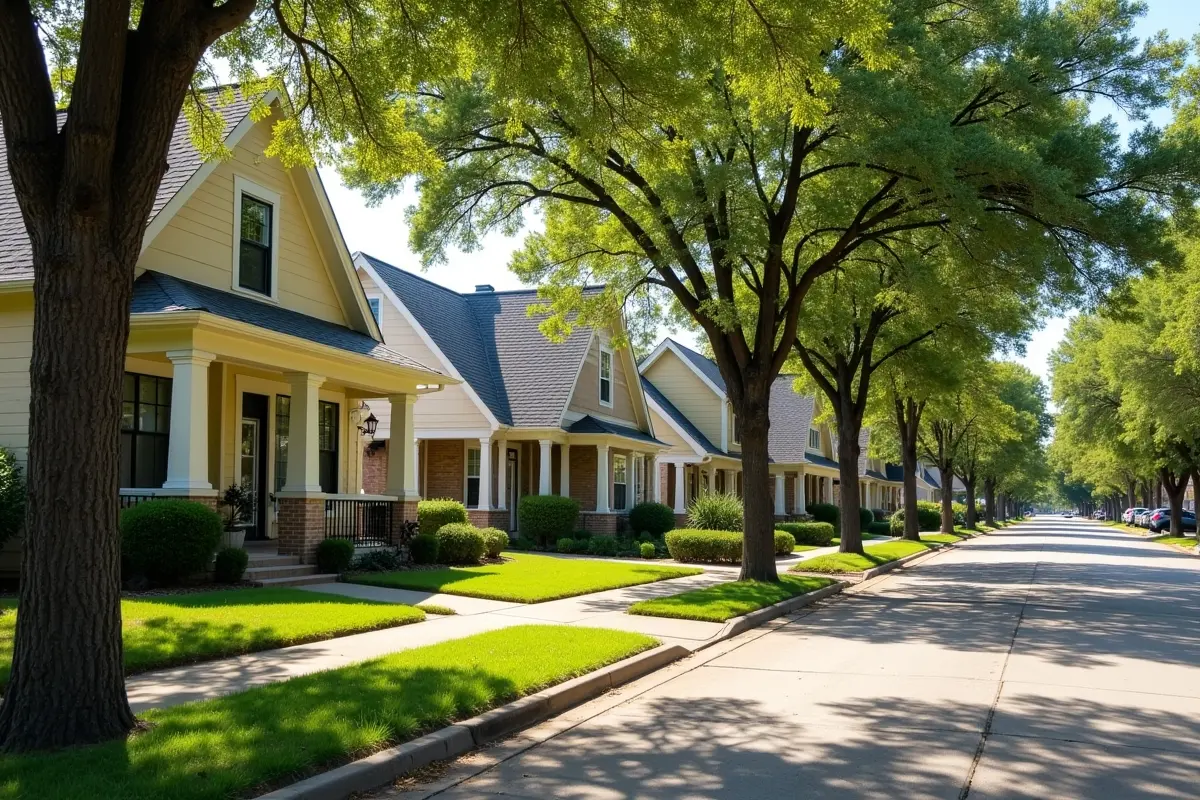
How to Compare Dallas-Area Neighborhoods Before Buying a Home in 2026
Buying a home in the Dallas area means choosing far more than bedrooms, finishes, and a floor plan. You are also choosing the rhythm of your weekdays, the roads you take, the nearby services, and the setting you will come home to. For a local perspective, buyers can consult Highland Park TX real estate agent Ana Candido.
Ana Candido’s Dallas luxury real estate website includes home search, valuation, and neighborhood resources and reflects more than 15 years of residential real estate experience serving Dallas, Highland Park, Frisco, and surrounding North Texas communities.
Two homes with similar list prices can deliver very different ownership experiences. One may offer an easy commute and walkable restaurants, while another may provide a larger lot, more privacy, or a newer layout. A careful neighborhood comparison helps buyers recognize those differences before an offer turns a promising house into a long-term commitment.
1. Why Neighborhood Choice Matters
Dallas-Fort Worth includes established urban districts, luxury enclaves, mature suburbs, and fast-growing communities with new construction. Each area can differ in lot sizes, architectural styles, traffic, property tax jurisdictions, and access to everyday destinations. A beautiful home can lose its appeal if the drive to work feels exhausting or the surrounding area does not fit your lifestyle.
Think beyond the property line. Consider the street’s activity, nearby commercial uses, the condition of surrounding homes, and how easily you can reach the places that matter most. Location is not an add-on to the home. It is part of the home-buying decision.
2. Set Your Priorities Before Touring Homes
Create three lists before you begin: non-negotiables, strong preferences, and flexible features. This prevents a staged kitchen or dramatic entryway from distracting you from the factors that will affect daily life.
Suggested Buyer Priorities
- Maximum purchase price and comfortable monthly payment
- Commute time to work, school, family, or frequent activities
- Preferred home size, lot size, and architectural style
- Access to parks, dining, shopping, medical care, or cultural venues
- School considerations and future education plans
- Walkability, privacy, quiet streets, or outdoor space
- New construction versus an established home
- Likely length of ownership and resale flexibility
For example, one buyer may gladly choose a smaller home near restaurants and entertainment. Another may prioritize a larger yard, storage, quiet streets, and a shorter school commute. Neither approach is better. The right answer depends on the buyer’s actual priorities.
3. Compare the Full Cost of Living
The list price is only the starting point. Compare estimated property taxes, homeowners’ insurance, HOA dues, utilities, upkeep, and travel costs for every serious option. Review public property records, then confirm current tax estimates with the appropriate professionals before finalizing a budget.
Costs to Review
- Annual property taxes and available exemptions
- Homeowners and flood insurance, when applicable
- HOA dues, transfer fees, and possible assessments
- Utility costs based on a home’s age, size, and systems
- Lawn, pool, roof, foundation, and exterior maintenance
- Parking, tolls, fuel, and public transportation expenses
A lower-priced home may still cost more over time if it needs immediate repairs, has higher insurance costs, or adds a lengthy commute. Compare monthly ownership costs rather than focusing solely on the purchase price.
4. Study Commutes and Daily Travel
A route that looks easy on a map may be very different during school drop-off, rush hour, construction, or a major event. Test the drive during the hours you would realistically use it.
Simple Commute Test
- Check the route at your usual departure time.
- Review the return trip during evening traffic.
- Identify toll roads, difficult turns, rail crossings, and construction zones.
- Estimate travel time to groceries, health care, schools, airports, and family.
- Repeat the test on a weekday, not only on a weekend.
5. Check Community Features and Services
Neighborhood quality is personal. Some buyers want lively streets, coffee shops, and nearby entertainment. Others want mature trees, trails, larger lots, and a more private setting. Compare what is available now and what is planned nearby.
Look at grocery access, parks, recreation facilities, libraries, medical services, road connections, and public transportation. If schools matter to your decision, use the Texas School District Locator for general district information, then contact the relevant district directly to verify attendance boundaries for a specific address.
6. Visit at Different Times
Visit a potential neighborhood in the morning, afternoon, evening, and on a weekend. Watch for traffic patterns, street parking, aircraft or road noise, lighting after sunset, sidewalk conditions, drainage after rain, vacant lots, and nearby construction. A short, respectful conversation with a nearby resident may also reveal practical information about events, maintenance, and recurring concerns.
7. Use Local Guidance Wisely
Online research is valuable, but it cannot always explain block-by-block differences in buyer demand, home condition, pricing, or neighborhood character. Use local guidance to ask better questions, compare recent sales, and understand tradeoffs. Then pair that input with your own visits, financial review, inspection, and independent verification.
8. Build a Neighborhood Scorecard
After several tours, memory and emotion can blur together. Score each neighborhood from one to five, then give more importance to the categories that matter most to your household.
- Monthly cost: Weigh this highly if staying within a fixed payment matters.
- Commute: Rate both time and reliability.
- Home style and lot: Consider layout, storage, outdoor space, and maintenance.
- Schools and services: Include the destinations your household uses regularly.
- Noise and privacy: Evaluate this in person at multiple times.
- Resale potential: Consider condition, location, and broad buyer appeal.
9. Common Questions
How Many Dallas Neighborhoods Should Buyers Compare?
Start with three to five areas. That is enough to reveal meaningful differences without making the process overwhelming. Once you identify the strongest fits, narrow the search to specific streets, subdivisions, and home types.
Should Buyers Choose a Home or a Neighborhood First?
Buyers with strict school, commute, or lifestyle needs should usually start by focusing on the area. Buyers with a tight budget or highly specific home preferences may begin by reviewing properties and then closely comparing locations.
Are Newer Neighborhoods Always Better?
No. Newer communities may offer modern systems and layouts, while established areas may have mature landscaping, larger lots, and easier access to central destinations. Match the neighborhood to your plans rather than assuming one type is automatically superior.
10. Final Checklist Before Making an Offer
- Confirm estimated taxes, insurance, HOA requirements, and monthly costs.
- Visit after dark and during a typical weekend.
- Check normal commute times and nearby development activity.
- Verify school information and zoning through official sources.
- Review recent comparable sales and schedule a professional inspection.
- Ask whether the location fits your likely needs for the next five to ten years.
Conclusion
Choosing the right Dallas-area neighborhood requires balancing lifestyle, budget, commute, and long-term goals. By comparing total ownership costs, visiting communities at different times, and evaluating practical factors beyond the home itself, buyers can make more informed decisions and choose a location that remains a good fit for years to come.