
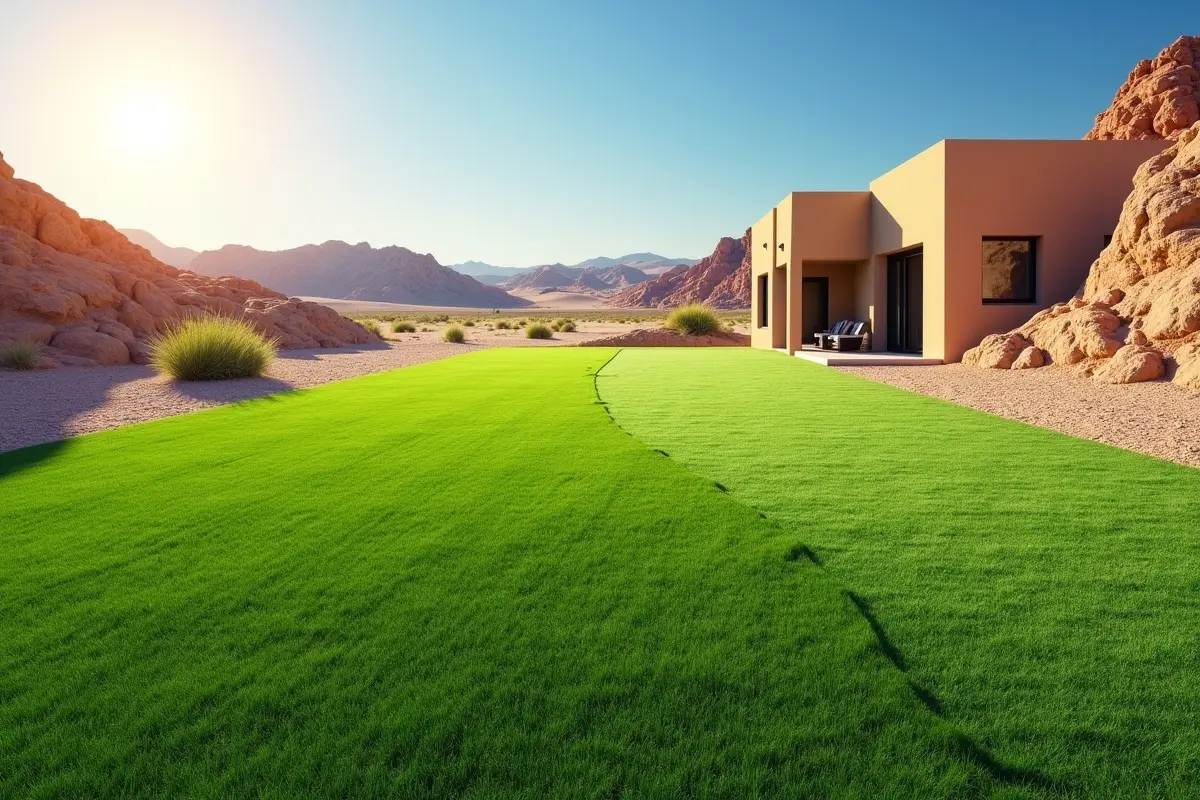
The Advantages of Artificial Grass in Arid Climates
Maintaining a lush, green lawn can be an uphill battle in arid climates, where limited rainfall and drought restrictions are common. Homeowners often find themselves spending more on water and battling browning grass during the hottest months. In these challenging conditions, modern artificial grass products offer an innovative solution that allows people to enjoy the visual appeal of greenery without the resource drain associated with traditional lawns.
Not only does artificial grass reduce the need for irrigation, but it also stands up well against heat and daily wear and tear. This solution is ideal for those concerned about conserving water while maintaining curb appeal. As sustainability becomes a community goal for many arid regions, more property owners are exploring the long-term benefits of switching to synthetic turf.
For those interested in installing or upgrading their landscape with reliable artificial grass, the key benefits go beyond just water conservation.
Water Savings with Artificial Grass
One of the most significant advantages of artificial grass in arid environments is the drastic reduction in water usage. A natural lawn can require tens of thousands of gallons of water annually to stay green in dry climates, which is neither cost-effective nor environmentally sustainable.
Artificial turf eliminates this demand almost entirely, allowing homeowners to use water more efficiently within their households and communities. According to the Environmental Protection Agency, landscape irrigation accounts for nearly one-third of all residential water use. A considerable reduction is possible when switching to artificial lawns.
It’s also important to consider how artificial grass impacts long-term urban water management. Cities in arid zones often face strict water rationing, especially in the summer months when natural lawns require the most care. Since artificial grass remains green regardless of drought conditions, homeowners are not only less affected by water restrictions, but are also actively reducing the overall demand on the municipal supply.
This can have broader community impacts, helping cities avoid water shortfalls during critical periods and contributing to long-term resilience against climate change. With growing concerns about environmental stability, choosing synthetic turf is a proactive step for individuals and neighborhoods alike.
Environmental Benefits
Artificial turf provides multiple ecological advantages in addition to saving water:
- Less Chemical Runoff: Artificial turf requires no fertilizers, pesticides, or herbicides, minimizing the risk of pollutants entering local waterways and reducing risks to children and pets who play outside.
- Air Quality Improvements: By eliminating the need for gas-powered mowers and edgers, synthetic grass reduces air pollution and greenhouse gas emissions associated with lawn maintenance.
- Ecosystem Preservation: By limiting water use and chemical runoff, artificial grass helps preserve the health of nearby natural landscapes and habitats.
Research shows that sustainable landscaping techniques, such as artificial turf, can also help cities adapt to climate change by improving water retention in urban areas and reducing runoff. Resource
Furthermore, widespread adoption of artificial turf can benefit local wildlife, especially in regions where invasive weeds and harmful lawn chemicals pose a threat to native species. Natural biodiversity is better supported when synthetic grass reduces soil and stream contamination. Landscaping with low-maintenance plants around artificial lawns can help provide habitats for pollinators and other beneficial creatures, combining the low-water benefits of turf with native plant restoration efforts.
Cost-Effectiveness
Although installing artificial grass is a higher upfront expense than laying sod or seeding a natural lawn, the long-term financial benefits often outweigh the initial investment. Water bills decrease, especially in regions where outdoor irrigation can triple monthly costs during the summer. There are also long-term savings in maintenance costs, as artificial turf eliminates the need for ongoing mowing, fertilizing, reseeding, and pest control. These reduced expenses can recover the original installation costs in just a few years.
Many cities and water districts have begun offering rebates to homeowners who replace natural grass with drought-tolerant landscaping, including artificial turf. These incentives can offset initial installation costs and make the transition more affordable. When combined with ongoing reductions in utilities and maintenance costs, artificial grass becomes a sound long-term investment for budget-conscious property owners.
Maintenance Reduction
One of the main conveniences of artificial turf is its low maintenance requirements. Artificial lawns only need occasional rinsing to clear dust, debris, or pet waste. Periodic brushing of the fibers keeps the blades standing and ensures a consistently natural appearance. Unlike natural grass, artificial lawns do not suffer from inconsistent growth, patchiness, or weed invasions, greatly reducing the time and money spent on lawn care.
Families with active children or pets especially appreciate the durability of synthetic grass. High-traffic areas, where natural grass wears down quickly and becomes muddy or bare, are no problem for artificial turf. This durability means artificial lawns can also be a practical solution for athletic fields, playgrounds, or pet runs, offering a resilient, mud-free play surface year-round.
Addressing Heat Concerns
It is well known that synthetic grass can become hotter than living grass under direct sunlight. Recent technological advances in artificial grass have addressed this concern through self-cooling infill systems and materials that reflect sunlight and dissipate heat. Newer options can keep turf temperatures well below older installations, especially when used in shaded areas or with modern cooling features. For many homeowners, choosing artificial grass with innovative cooling features can make outdoor spaces more comfortable and enjoyable during the warmest months.
To further reduce heat absorption, consider combining artificial turf installations with hardscape elements like pavers or shaded seating areas, and plant trees or large shrubs to naturally block afternoon sun. These design decisions not only make yards more comfortable in summer but also create a layered, attractive landscape that seamlessly integrates synthetic grass with the rest of the outdoor environment.
Aesthetic Appeal
Synthetic grass blends advanced materials and manufacturing processes to imitate the look and feel of real grass closely. Different blade heights, varying colors, and realistic thatch ensure that homeowners can find something to match their yard’s style. Artificial turf maintains its uniform green appearance year-round, regardless of weather, heavy traffic, or drought, providing properties with consistent curb appeal with minimal effort from homeowners.
Customizable turf solutions mean you are no longer limited to a single color or texture; you can select turf that mimics the regional grasses unique to your area or create playful features for children and pets. Whether the goal is to frame a desert garden, provide a soft surface near a pool, or create striking pathways, artificial grass provides aesthetic flexibility to suit virtually any vision or design challenge.
Conclusion
Artificial grass has become an increasingly attractive option for homeowners in arid regions. It offers a practical alternative to natural lawns, drastically reducing water use, improving environmental sustainability, and saving time and money on maintenance. Technological innovations are making artificial lawns even more comfortable, ensuring year-round curb appeal. Adopting this solution allows property owners to enjoy beautiful outdoor spaces while helping protect the critical water resources vital to desert communities.
Ultimately, artificial grass represents a harmonious balance between modern convenience and environmental responsibility. As more communities prioritize sustainable living, property owners who invest in synthetic turf are not just improving their own landscapes; they are actively participating in the broader effort to conserve water and support a greener future. With so many versatile options available, it’s never been easier to create an attractive, low-maintenance yard perfectly suited to the challenges and opportunities of arid climates.