
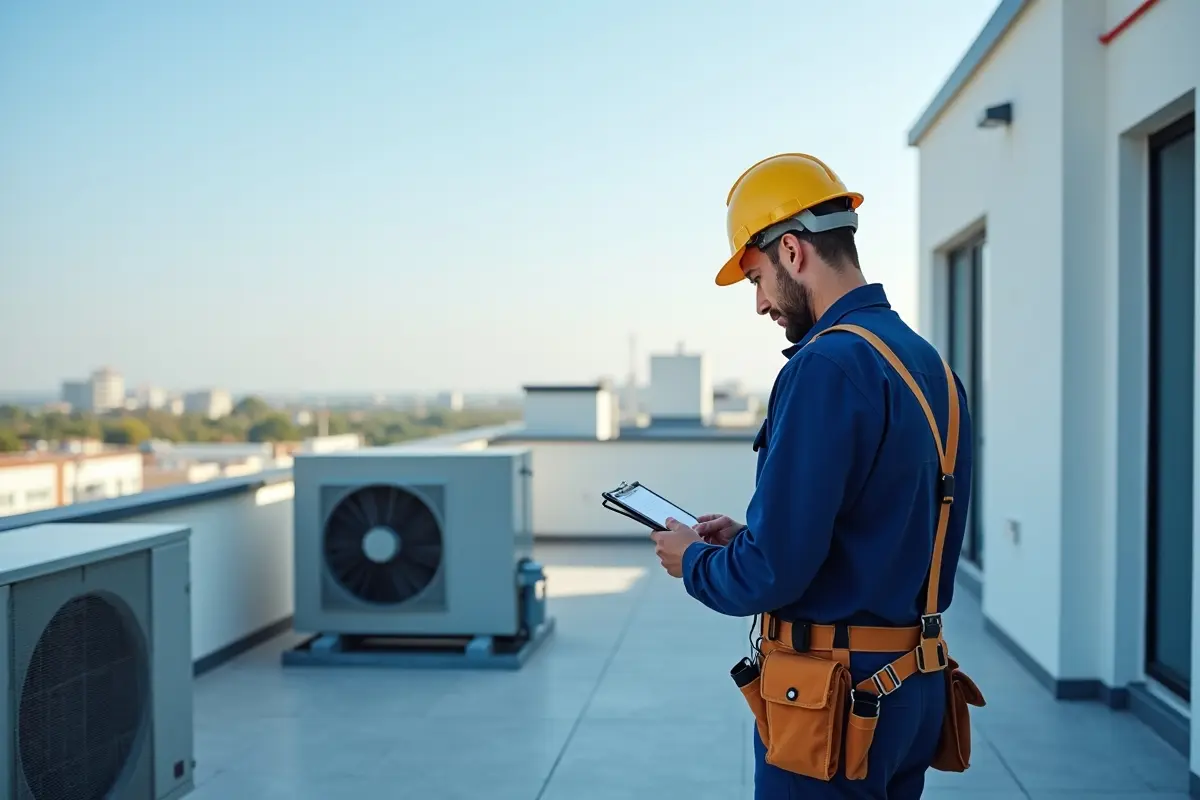
The Essential Role of Facility Maintenance Companies in Building Operations
Facility maintenance companies are vital for ensuring buildings in urban environments function smoothly, safely, and sustainably. Their responsibilities have expanded far beyond routine repairs, encompassing energy management, technological integration, and regulatory compliance. By working with trusted facility maintenance companies, property owners and managers can protect their investments while enhancing overall building performance.
The expertise of maintenance companies is particularly important in commercial and multi-use buildings, where efficient operations are essential to both the bottom line and occupant well-being. Skilled professionals proactively address issues, implement advanced solutions, and adapt to evolving standards, ensuring buildings remain operational and compliant throughout their lifecycle.
Given the complexities associated with modern facilities, maintenance companies play an increasingly critical role in integrating sustainable practices, leveraging data analytics, and maintaining a safe environment. Their impact can be seen in everything from reduced utility costs to improved indoor air quality and occupant comfort.
As expectations for building comfort and efficiency rise, especially with more focus on health and sustainability, facility maintenance companies must continue to innovate and refine their approaches. Today, these firms are recognized not just as service providers but as strategic partners in building longevity and performance.
Among the essential areas maintained by these experts is the heating, ventilation, and air conditioning system. Proper HVAC management ensures comfort year-round and plays a major role in energy optimization across all building types.
Comprehensive Maintenance Services
Facility maintenance companies support the full spectrum of building upkeep, employing preventive, corrective, and predictive strategies to keep all systems running. Preventive maintenance centers on routine inspections and ongoing care to prevent breakdowns and prolong the life of building assets.
Corrective maintenance steps in when unexpected issues arise, minimizing costly downtime through quick repairs. Predictive maintenance, supported by data and condition monitoring, enables facilities to address potential issues before they become operational problems.
These coordinated maintenance efforts are essential for mission-critical environments such as hospitals, data centers, and high-occupancy office buildings, where even minor disruptions can have significant consequences.
Energy Management and Sustainability
A major area of focus for modern facility maintenance companies is energy management. Buildings are major consumers of energy, accounting for forty percent of energy use in many regions. Maintenance professionals help reduce these costs and environmental impacts through energy audits, retrofits, and the adoption of high-efficiency systems. Monitoring and analyzing usage data is key to identifying areas for improvement, which often leads to lower operating costs and a smaller carbon footprint.
Energy-efficient lighting, optimized building envelope improvements, and smart building technologies contribute to sustainability goals. According to the International Facility Management Association, energy management has become a priority for the majority of facility managers, underscoring its importance to operational success.
Compliance and Safety
Facility maintenance companies assume a central role in ensuring building safety and regulatory compliance. This includes staying current with evolving building codes, managing fire prevention systems, and organizing emergency preparedness drills. Regular safety inspections are critical for identifying and mitigating hazards, reducing property owners’ liability exposure, and protecting tenants and employees.
Comprehensive maintenance plans often include updating signage, managing hazardous materials, and verifying the functionality of alarms and suppression systems. Remaining proactive in compliance and safety protocols is an ongoing responsibility that facility maintenance companies manage by working closely with local authorities and inspectors.
Technological Integration
Technology continues to revolutionize facility maintenance with tools like Building Management Systems (BMS) and Computerized Maintenance Management Systems (CMMS) for scheduling and tracking. IoT sensors provide real-time system data, helping managers decide on repairs or replacements.
Smart tech streamlines operations, supports predictive maintenance, and sustainability efforts. For example, occupancy sensors reduce energy use, and cloud platforms enhance team collaboration. The shift also enables remote diagnostics and maintenance, accelerated by recent global disruptions.
Cost Efficiency and Budget Management
Effective facility maintenance controls costs by focusing on preventive care, which prevents expensive emergency repairs. Proper scheduling, resource use, and data analysis help managers stay within budget without sacrificing service. Energy management and automation offer extra savings, justifying initial costs. Clear budget planning and tracking enable prioritizing projects, balancing repairs, and long-term upgrades. This approach maximizes current value and protects future investments.
Enhancing Occupant Experience
Another core function of facility maintenance companies is enhancing the occupant experience. Comfortable temperatures, good indoor air quality, functional amenities, and cleanliness directly affect how people perceive and use a building. By promptly responding to maintenance requests and addressing comfort complaints, maintenance teams support productivity, tenant retention, and occupant well-being.
This attention to user needs is increasingly valued in workplaces, schools, and residential complexes, where satisfaction is tied to both physical amenities and the sense of a secure, well-maintained environment.
Future Trends in Facility Maintenance
The facility maintenance sector is rapidly changing as organizations seek more efficiency and sustainability. AI analyzes maintenance data and forecasts issues, while smart building platforms enable better automation. There’s increasing demand for green construction, net-zero goals, and renewable energy.
Staying up to date with these trends helps companies provide forward-looking insights and solutions. Resources like Forbes Tech Council offer industry perspectives on the evolving facility landscape. By combining proactive service, tech innovation, and continuous improvement, maintenance firms ensure buildings remain efficient, safe, and pleasant for occupants today and in the future.