
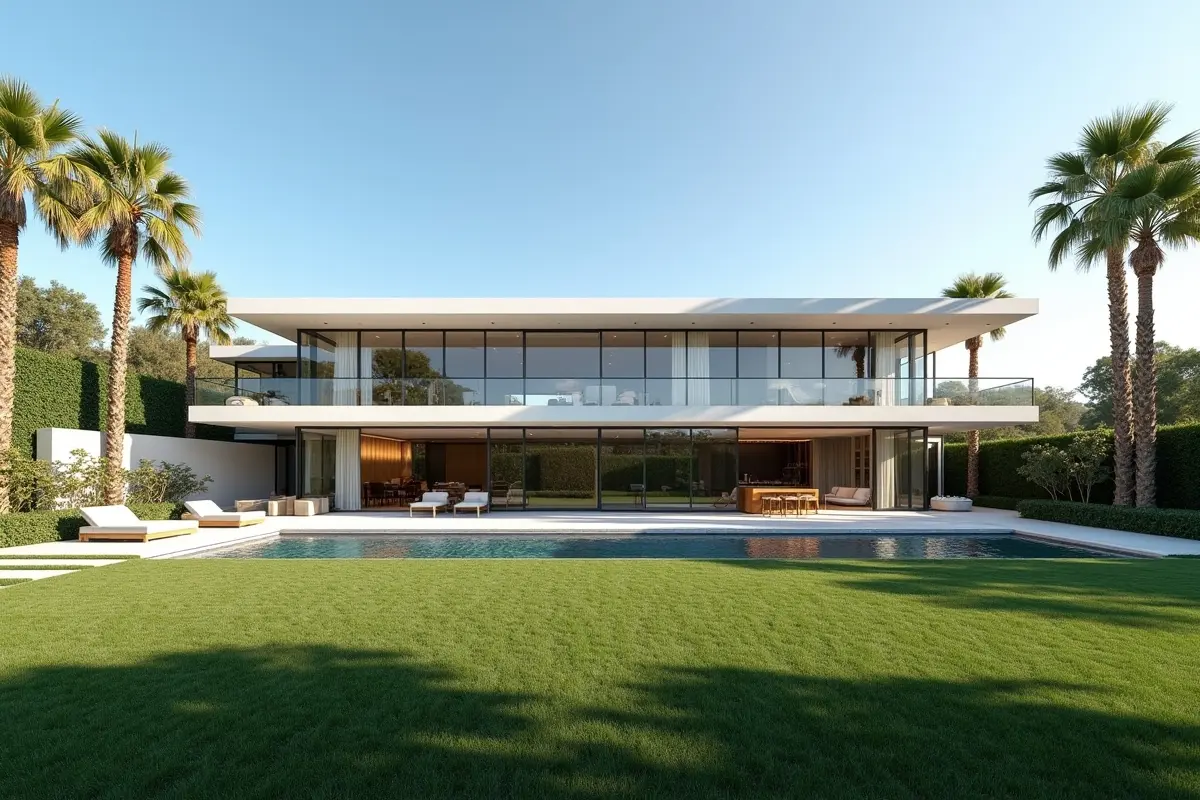
Emerging Trends in Los Angeles Luxury Real Estate for the Next Decade
Los Angeles has long been synonymous with luxury living. As we look toward the next decade, several emerging trends are set to redefine opulence in the City of Angels. From architectural innovations to lifestyle shifts, here’s what to expect in the evolving landscape of luxury real estate.
For those seeking expert guidance in navigating this dynamic market, Beverly Hills CA real estate agent Josh Flagg offers unparalleled expertise. With over $3 billion in residential real estate sales, Josh Flagg has been recognized by The Wall Street Journal as one of the top-ranked agents in California and nationally by sales volume. His deep understanding of the Los Angeles luxury market makes him a trusted authority for discerning buyers and sellers.
Wellness-Focused Amenities
Modern luxury homes are increasingly incorporating wellness features to cater to health-conscious buyers. Amenities such as spa-like bathrooms, home gyms, and meditation spaces are becoming standard. Buyers now ask about purified air systems, mineralized water, circadian lighting, and toxin-free materials.
Another growing aspect in this segment is the inclusion of biophilic design, which integrates natural elements directly into living environments. Rooftop gardens, living green walls, and indoor water features foster a soothing atmosphere and support mental and physical well-being. Luxury homes are also taking wellness outdoors, adding amenities such as saltwater lap pools, infrared saunas, and cold plunge pools. Outdoor yoga decks, private walking trails, and even on-site wellness consultants are increasingly on offer in the most coveted properties.
Sustainable Design Elements
Eco-friendly design is no longer a niche preference but a mainstream expectation in luxury real estate. Homeowners are opting for energy-efficient appliances, solar panels, and sustainable building materials. The trend towards sustainability reflects a broader commitment to environmental responsibility and long-term cost savings.
Water conservation is another critical concern, especially given Southern California’s ongoing drought challenges. High-end properties are employing greywater recycling systems, drought-tolerant landscaping, and rainwater harvesting mechanisms.
Insulated windows, smart irrigation, and passive solar design help lower energy use, reduce carbon footprints, and appeal to informed buyers who demand that luxury also embody a sense of stewardship. Many developers are pursuing LEED certification, showcasing their commitment to green building practices and attracting eco-conscious clientele.
Smart Home Technologies
Integration of advanced technologies enhances convenience and security in luxury homes. Features like AI-driven energy systems, predictive security, and air quality monitoring are becoming standard. Technology and sustainability are no longer separate considerations. Buyers expect homes that are intelligent, secure, and efficient.
Voice-activated home assistants can control climate, lighting, media, and more, providing seamless automation. High-speed fiber internet, distributed audio systems, and remote-access capability offer a digital lifestyle that caters to work-from-home culture and multi-generational households.
Home offices now feature virtual-reality meeting spaces and biometric security, while entertainment rooms boast immersive VR/AR experiences. As homes grow more connected, cybersecurity becomes a crucial part of the luxury value proposition, with built-in protections against privacy breaches and hacking.
Urban Revitalization
Downtown Los Angeles has undergone a significant transformation, making it a desirable location for luxury living. The development of high-end condominiums and the enhancement of urban infrastructure have attracted affluent buyers seeking a vibrant city lifestyle. The appeal of luxury condos in downtown areas continues to rise, offering modern amenities and proximity to cultural hubs.
As public spaces become safer and transit options expand, affluent professionals and international buyers are drawn to neighborhoods that blend residential comfort with city excitement. Walkability, access to elite dining and entertainment, and curated retail spaces are highly valued.
Creative districts are being revitalized with art galleries, boutique hotels, and rooftop lounges. Furthermore, historic preservation projects are converting former warehouses and classic theaters into exclusive addresses, blending historic charm with progressive design.
Personalized Living Spaces
Affluent buyers are prioritizing homes that align with their routines and aspirations. Flexible floor plans that adapt to various activities, from social gatherings to creative pursuits, are in demand. This shift emphasizes the importance of intentional design that supports well-being and personal growth.
Luxury buyers seek spaces that offer customization down to the finest detail, such as bespoke kitchens, tailored wine cellars, soundproofed music studios, and gallery-style walls for art collections. In response, designers offer consultation services for personalized interiors, choosing unique fixtures, rare materials, and one-of-a-kind pieces.
Multigenerational living suites, discreet staff quarters, and convertible guest areas highlight the need for both privacy and communal connection. The luxury market now places a premium on homes that evolve with their owners’ changing lifestyles.
Discreet Luxury
The concept of “quiet luxury” is gaining traction, focusing on understated elegance and quality over ostentation. Homeowners are choosing timeless designs and high-quality materials that offer comfort and sophistication without being overtly extravagant.
This trend finds expression in muted color palettes, natural stone, artisan-crafted furnishings, and minimalist architecture. The focus is on craftsmanship and subtle branding rather than flashy logos or over-the-top décor. Privacy and security are also paramount, with gated entries, advanced surveillance systems, and private driveways. Discreet luxury communicates status and refinement through thoughtful design, bringing a sense of calm and exclusivity to every corner of the home.
Conclusion
The luxury real estate market in Los Angeles is evolving to meet the changing preferences of discerning buyers. Emphasizing wellness, sustainability, technology, and personalization, the next decade promises a redefinition of opulence that aligns with contemporary values and lifestyles.
Ultimately, the landscape for high-end living in Los Angeles is a testament to the city’s ability to innovate and anticipate the needs of its most sophisticated residents. Whether through integrating green practices, embracing smart technology, or championing bespoke experiences, Los Angeles continues to set the standard for what luxury means in the 21st century.
Aspiring homeowners and investors alike should expect a future shaped by a marriage of comfort, conscience, and cutting-edge design, ensuring that the City of Angels remains a beacon for those in pursuit of truly elevated living.