
Essential Boat Cover Maintenance Tips to Protect Your Investment
Maintaining your boat cover is an important way to protect your vessel from unpredictable weather, harsh sunlight, and other damaging environmental factors. A well-kept cover not only shields your boat from the elements but also extends the life of your investment over the years. Many boat owners in Oklahoma and beyond rely on a high-quality boat covers Grove OK supplier to keep their craft protected, but ongoing care is just as essential as making the right initial purchase.
Proper maintenance can go a long way in preventing unnecessary expenses and preserving both the look and function of your boat cover. By following a simple routine, you ensure that your boat remains ready for use and well-guarded whether it is docked, stored, or in transit.
Regular Cleaning Practices
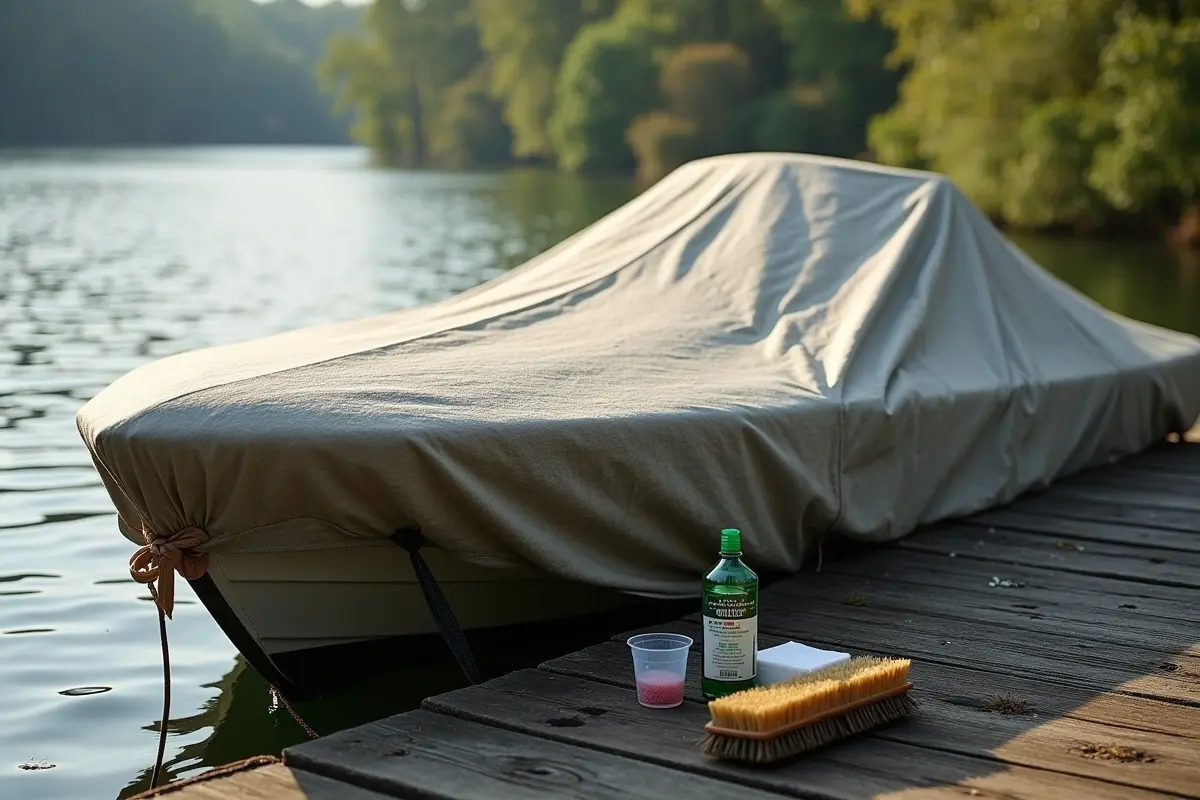
Routine cleaning is critical in keeping your boat cover free from dirt, bird droppings, tree sap, and mildew. Use a clean, soft-bristled brush along with a mild soap or cleaner specifically designed for marine fabrics. Always avoid bleach or harsh detergents, as they can break down the material and reduce water resistance. Rinse thoroughly using fresh water to remove soap residue, and let the cover air dry completely before use or storage. This regular cleaning schedule helps sustain both the durability and the appearance of your cover.
Accumulated grime, moisture, and organic debris will not only stain the fabric but may also cause persistent mildew problems or unpleasant odors. Thoroughly cleaning your cover every few weeks, especially after heavy use or bad weather, is the simplest way to prevent the most common issues.
Proper Installation and Support
Boat covers must be fitted correctly to prevent sagging or pooling water. Water that collects on the cover can stretch the material, damage seams, and create weak spots that eventually leak. Each installation should include snug tie-downs and adjustable straps to secure the cover against wind and rain. Support poles or bow frames are very effective for raising flat portions of the cover so water cannot pool, which is especially important in climates with frequent or unpredictable storms.
Check the fit each time you place the cover and make adjustments to ensure all corners and edges are taut. This process also helps resist wind uplift, which can cause the cover to flap or shift, leading to premature wear and exposing your boat to the elements.
Routine Inspections
The key to long-lasting boat cover performance is spotting small issues before they become major problems. Set a reminder to perform quick inspections every time you remove or replace the cover. Look closely at high-stress points, such as the seams, strap anchors, and corners, to catch any tears, fraying, or loose stitching. Replace any snapped clips or stretched hook-and-loop fasteners promptly.
By catching damage early, you avoid large repairs and extend the useful life of your cover. Occasionally, more in-depth checks every few months can also help minimize risk and keep your boat reliably covered through every season. For a helpful visual guide on marine maintenance basics, visit the Boating Magazine guide to boat maintenance.
Proper Storage Techniques
When the boat or the cover is unused for extended periods, careful storage is crucial. Always make sure the fabric is entirely clean and fully dry before folding it. Storing a damp cover invites mold, mildew, and lasting fabric damage.
Store the cover loosely, without sharp folds, in a breathable storage bag to reduce the risk of mildew and material breakdown. Keep it out of direct sunlight and away from sources of heat or humidity, such as the trunk of a car or a damp basement. Avoid plastic storage bags entirely, as these can trap moisture inside the cover.
UV Protection
Ultraviolet rays are among the most potent threats to any marine fabric. Long-term sun exposure rapidly weakens and fades material. Apply a UV-protectant spray designed for marine use at least twice a season, or more frequently if your boat is stored outdoors. These sprays work by creating an invisible barrier that repels sunlight and keeps fabric fibers strong over time.
If possible, store your boat in a shaded area or use an additional canopy or tarp when docked for long periods. For more information on how UV exposure affects marine materials, see the BoatUS canvas care guide.
Reapplying Waterproofing
Waterproof coatings can wear down gradually, especially from exposure and regular cleaning. Reapply a quality waterproofing spray (appropriate for your cover’s material) every one or two seasons, after a thorough cleaning and drying. Follow the manufacturer’s instructions closely for best results. Waterproofing helps maintain your cover’s performance and prevents costly leaks that could damage your boat’s interior and sensitive equipment.
Addressing Mold and Mildew
Mold and mildew not only damage the cover but can also stain your boat and create persistent odors. At first sign, mix a mild solution of vinegar and water (in equal parts), then gently scrub the affected area with a soft brush. Rinse and air dry thoroughly. Regular cleaning and proper storage will reduce your risk, but acting quickly at the first hint of mold is critical in preventing further spread and more serious damage.
Conclusion
By taking the time to clean, inspect, and store your boat cover properly, you ensure your vessel is always protected against the harshest conditions nature can throw at it. These simple habits help prevent costly repairs and premature replacement while maintaining your boat’s value and enjoyment for years to come.